
Skip to content
Free written quotesLocal crews
Call now (07) 5550 4134
Bundaberg, QLD (07) 5550 4134
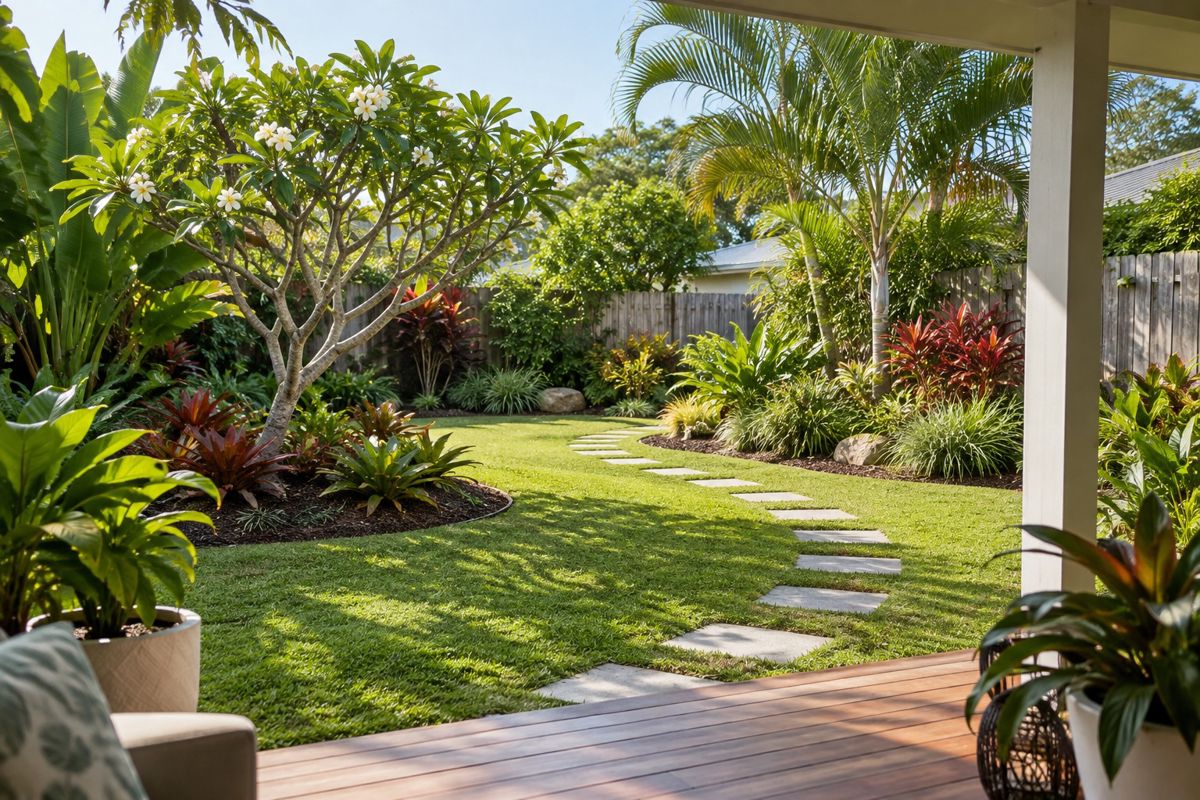
Newly landscaped subtropical backyard with winding path, mulched beds and mixed planting

Landscape design in Bundaberg

Landscape design for Bundaberg yards that cope with the weather

A plan for the whole yard before anyone digs: layout, planting, paths, lawn and drainage, shaped around the way you live.

  • Plans that allow for the wet season
  • Planting chosen for sun, salt and heat
  • Work can be staged if you prefer

What does landscape design in Bundaberg include?

Landscape design Bundaberg owners ask about can mean a single garden bed refresh or a complete yard overhaul. The goal is the same either way: a layout that looks right, works day to day and does not fall apart after the first big wet.

A design plan usually sets out:

  • where the lawn, paving, garden beds and any structures go
  • the paths, steps and how you move around the yard
  • plant choices, spacing and mulch
  • levels, and any retaining where the block slopes
  • where stormwater goes and how the garden is watered

Starting with a plan saves rework. A drain laid after the paving, or a tree planted where a path needed to go, costs far more to fix than to avoid. Built features like patios and edging are covered on our hardscaping and pavers page.

Which plants suit Bundaberg gardens?

Bundaberg has a subtropical climate, so gardens can run all year with few frosts, especially near the coast. That opens up a wide plant list, but heat, humidity and summer storms still rule out a lot of southern favourites.

Tropical and lush

Frangipani, cordylines, bromeliads, gingers, heliconias and clumping palms give a resort look and cope with humid summers. Give them shelter from strong wind and water them through dry spells.

Native and low-fuss

Lomandra, dianella, westringia, bottlebrush, grevillea and native violets handle heat and poor soil well. Mix them with tropical foliage for a softer, easier garden. If you want lilly pillies for a hedge, ask for a variety bred to resist psyllid damage.

Near the coast around Bargara and Burnett Heads, salt wind burns tender leaves. Choose tough coastal plants and use a windbreak where the block is exposed.

How do red soil and the wet season shape a design?

The red volcanic soil around Bundaberg is fertile and often drains well, which suits most plants. It can also set hard in a dry spell, turn slippery after rain and wash away on a slope if left bare.

A good design deals with that in a few ways. Garden beds are loosened and improved with compost before planting. Mulch, often sugar cane mulch, keeps the surface covered. Ground is graded so water runs away from the house and slabs rather than toward them.

Summer downpours can drop a lot of water in a short time, so planning where it goes matters as much as the planting. Where a yard sits lower than the street or a neighbour, drainage may need to come first. That is covered on our retaining walls and drainage page. Dry spells follow, so grouping plants by water need and adding irrigation keeps the garden alive.

We do not quote prices on this page because every yard is different. These are the main things that move the number:

  • the size of the area and how steep it is
  • access for machines, and how much soil must be moved or taken away
  • materials, such as paver type, timber or stone, and the size of the plants
  • drainage, retaining and anything that needs engineering
  • old paving, sheds, trees or lawn that must be removed first
  • whether the work happens all at once or in stages

A written quote that lists each part of the job makes it easy to compare. Staging a big project, for example doing drainage and paving first and planting later, can spread the cost without wasting work. Ask the landscaper to explain what each line covers.

How long does it take, and what happens on the day?

The design stage usually starts with a visit to measure up and talk, followed by a plan to review. After that, build time depends on the job. A small garden refresh can be done in a few days. A full yard overhaul with paving, walls, turf and planting often runs over several weeks. Heavy rain can pause outdoor work, and the wet season can push earthworks into drier months.

On a work day, expect marking out, machinery, deliveries of soil, rock or plants, and some noise and mess. Keep pets and children clear of the work area. It also helps to point out pool equipment, buried lines and sprinkler pipes before digging starts. Before You Dig Australia runs a service for checking where underground utilities sit.

Call when you are planning a build, before you buy plants, or when a yard is not working. Our turf laying page covers new lawns, and the home page lists everything we do.

What you can expect

1

Free written quotes

2

Local crews

3

Reliable scheduling

4

Tidy job sites

Questions about landscaping in Bundaberg

How much does landscape design cost in Bundaberg?

It depends on the size of the yard, the materials and how much earthwork is involved, so there is no single figure. A small garden refresh and a full overhaul are very different jobs. After a site visit you should get a written quote that lists each part of the work, so you can compare it with other quotes.

Do I need council approval to landscape my yard?

Garden beds, turf and planting rarely need approval. Retaining walls over a certain height, pools and pool fences, sheds, decks and the removal of large or protected trees can. Rules also differ by property and zoning, so check with Bundaberg Regional Council or a building certifier before work that changes levels or adds structures.

Can a design work around a pool or a sloping block?

Both are common starting points. A pool needs a compliant barrier, non-slip surfaces and sensible drainage around it. A slope may need steps or retaining walls to create usable flat areas. Raise both at the first visit so the plan allows for them from the start rather than as an afterthought.

Which plants cope with salt wind near Bargara?

Coastal exposure rules out tender plants. Hardy choices include westringia, dianella, lomandra and many native grasses and groundcovers. A windbreak of tougher shrubs can shelter softer plants behind it. Soil near the coast can be sandy, so mulch and regular watering still matter during the first year after planting.

What is a complete yard overhaul?

It means redoing the whole yard under one plan instead of one feature at a time. That can include removing old lawn and paving, reshaping levels, drainage, new paths and patios, turf and planting. The work is scheduled in a sensible order, with earthworks first and planting last, so nothing gets dug up twice.

When is the best time of year to start a landscaping project?

Autumn through spring is usually easiest. The ground is drier, digging and paving go smoothly and plants can establish before summer heat. The wet season is a good time to plan and design, with building to follow when conditions improve. Planting is still possible in summer, with more watering needed.

Request landscape design

Tell us what you need and we call you back.

No obligation.

Step 1 of 3

What do you need?

Ready when you are

Call now or request a quote online.

(07) 5550 4134

How it works

  1. Tell us about the yard

    Size, goals and any photos.

  2. Site visit and quote

    We walk the property and put the price in writing.

  3. We do the work

    Scheduled crew, cleanup included.